
Creative and Engaging Methods to Teach Children the Value of Saving Pennies
- Connect Cape Town

- Jan 2
- 3 min read
Updated: Jan 6
Teaching children to save money can feel like a challenge, especially when it comes to small amounts like pennies. Yet, these tiny coins hold big lessons about patience, responsibility, and the value of money. Helping kids understand saving through fun and creative methods sets a foundation for smart financial habits that last a lifetime. This post explores practical and enjoyable ways to encourage children to save pennies, turning a simple habit into an exciting adventure.

Use Visual Savings Jars to Track Progress
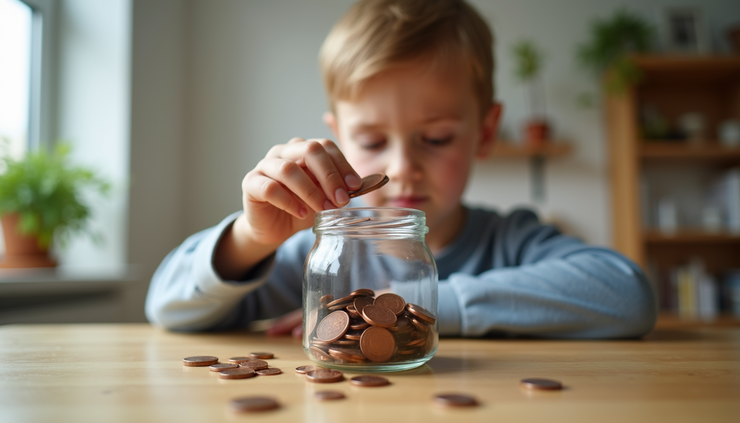
One of the most effective ways to teach kids about saving is by making their progress visible. Use clear jars or containers labeled with different savings goals. For example, one jar could be for toys, another for books, and a third for a special outing. When children add pennies to these jars, they can see their savings grow day by day.
Set clear goals: Help your child decide what they want to save for. This makes the process meaningful.
Celebrate milestones: When a jar reaches a certain amount, celebrate with a small reward or a fun activity.
Encourage regular deposits: Make it a daily or weekly habit to add pennies to the jars.
This method teaches kids to associate saving with achieving something they want, making the process rewarding and motivating.
Turn Saving into a Game
Kids love games, so why not turn saving pennies into one? Create challenges or competitions that make saving fun and interactive.
Penny hunt: Hide pennies around the house or yard and let your child find them. Each penny found goes into their savings jar.
Savings race: Set a goal for how many pennies to save in a week. Offer a small prize if they reach it.
Matching pennies: For every penny your child saves, you add one too. This doubles their savings and encourages them to keep going.
Games like these make saving feel less like a chore and more like playtime, which helps build positive habits.
Use Storytelling and Real-Life Examples
Children understand concepts better when they are part of a story. Use storytelling to explain why saving pennies matters.
Create a character: Invent a character who saves pennies to buy something special. Share the character’s journey and challenges.
Share family stories: Talk about times when saving money helped your family. Real examples make the lesson relatable.
Read books about money: Choose children’s books that focus on saving and money management.
Stories help children connect emotionally with the idea of saving, making it easier for them to grasp the importance of small savings.
Introduce a Penny Bank with a Twist
Traditional piggy banks are great, but adding a creative twist can make saving pennies more exciting.
Color-coded banks: Use different piggy banks for different types of savings, such as spending, sharing, and saving.
Transparent banks: Choose clear banks so kids can watch their pennies pile up.
Decorate the bank: Let children personalize their penny bank with stickers, drawings, or paint. This creates ownership and pride.
This approach makes saving a hands-on activity that kids look forward to.

Teach the Value of Pennies Through Practical Activities
Sometimes, the best way to learn is by doing. Engage children in activities that show how pennies add up.
Counting and sorting: Have your child count pennies and group them into sets of ten or twenty. This builds math skills and shows how small amounts grow.
Shopping practice: Give your child a small amount of pennies to “buy” items from a pretend store at home.
Bank visits: Take your child to a bank or credit union to deposit their pennies. This introduces them to real-world saving.
These activities make the concept of saving tangible and understandable.
Encourage Consistency and Patience
Saving pennies is a slow process, and children may get discouraged if they don’t see immediate results. Encourage them to keep going by:
Setting small, achievable goals: For example, saving 50 pennies before buying a small treat.
Tracking progress visually: Use charts or stickers to mark each saving milestone.
Reinforcing positive behavior: Praise efforts and celebrate when goals are met.
Building patience and consistency helps children develop habits that will benefit them throughout life.


